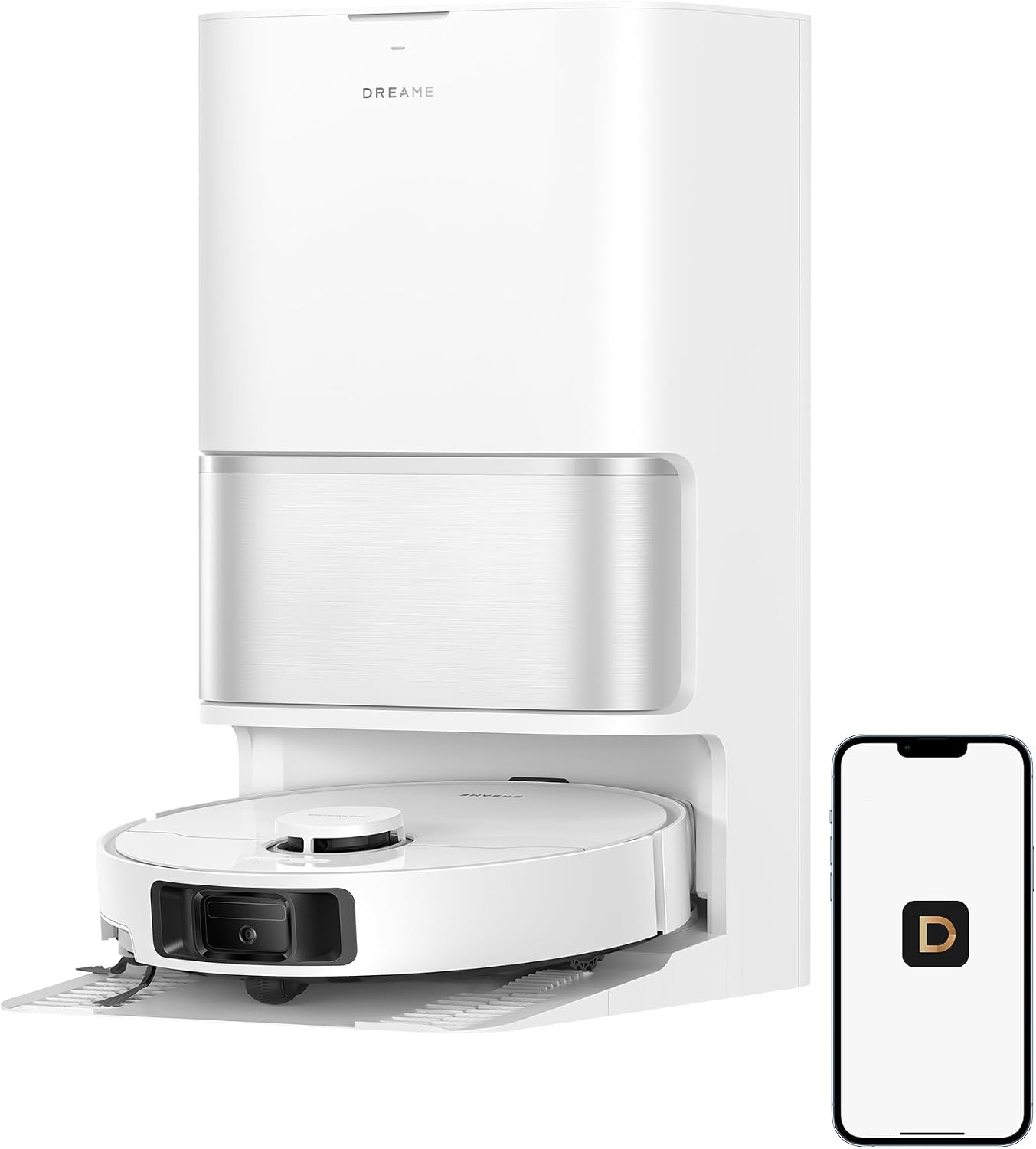
Winter salt and slush: what a robot can (and can’t) do
Road salt and sand tracked in from Canadian winters are fine, gritty debris. A robot vacuum picks up dry grit on hard floors and low-pile mats like any other fine dust, and running it daily stops grit from grinding into floors. None of these Amazon.ca listings makes a specific salt claim, so treat these as practical tips:
- Wipe up wet slush first. A robot can spread puddles and salty water.
- Put a washable mat at the door and set it as a no-go or carpet-avoidance zone if it stays wet.
- Empty or change the dock bag more often in winter, since grit fills it faster.
- A mopping robot helps lift the white salt film on hard floors between deep cleans; after a big melt week, still mop the entry by hand.
More options: robot vacuum and mop combos for hard floors, and pet-hair picks for shedding season.
FAQ (Canada)
Can a robot vacuum pick up winter road salt?
It can pick up dry salt grains and grit on hard floors and low-pile mats like other fine debris. None of these Amazon.ca listings makes a specific salt claim, and wet slush should be wiped up first so the robot doesn’t spread it.
Will a mopping robot wet my carpet?
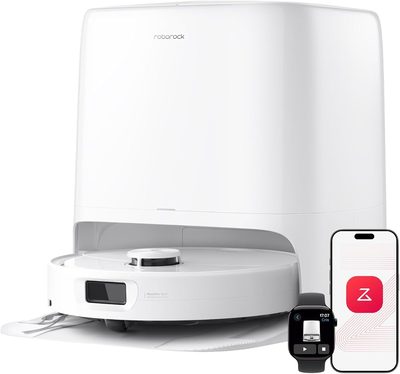
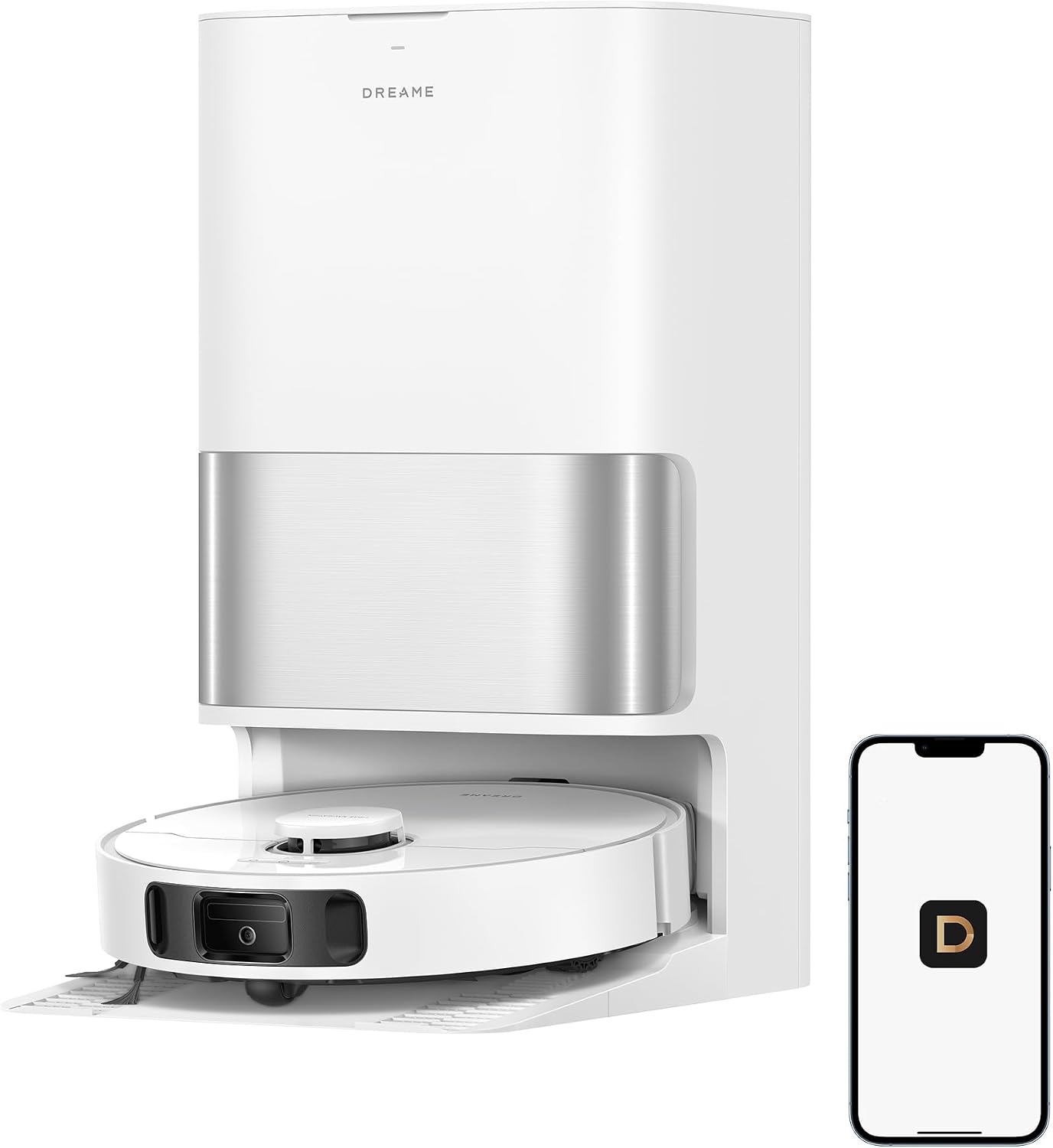
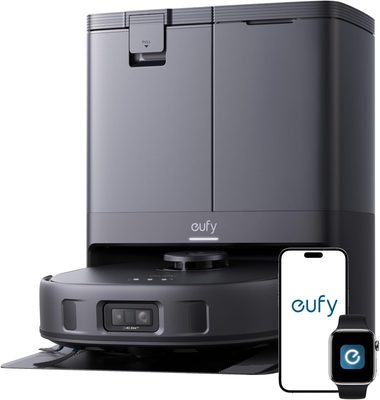
These picks lift the mop on carpet: up to 15 mm on the Qrevo 2 Pro, 12 mm on the eufy X10 Pro Omni and 0.41 in on the Dreame L40 Ultra Gen 2, according to their listings. For thick rugs, set a carpet-avoidance zone in the app.
How much suction do I need for carpet?
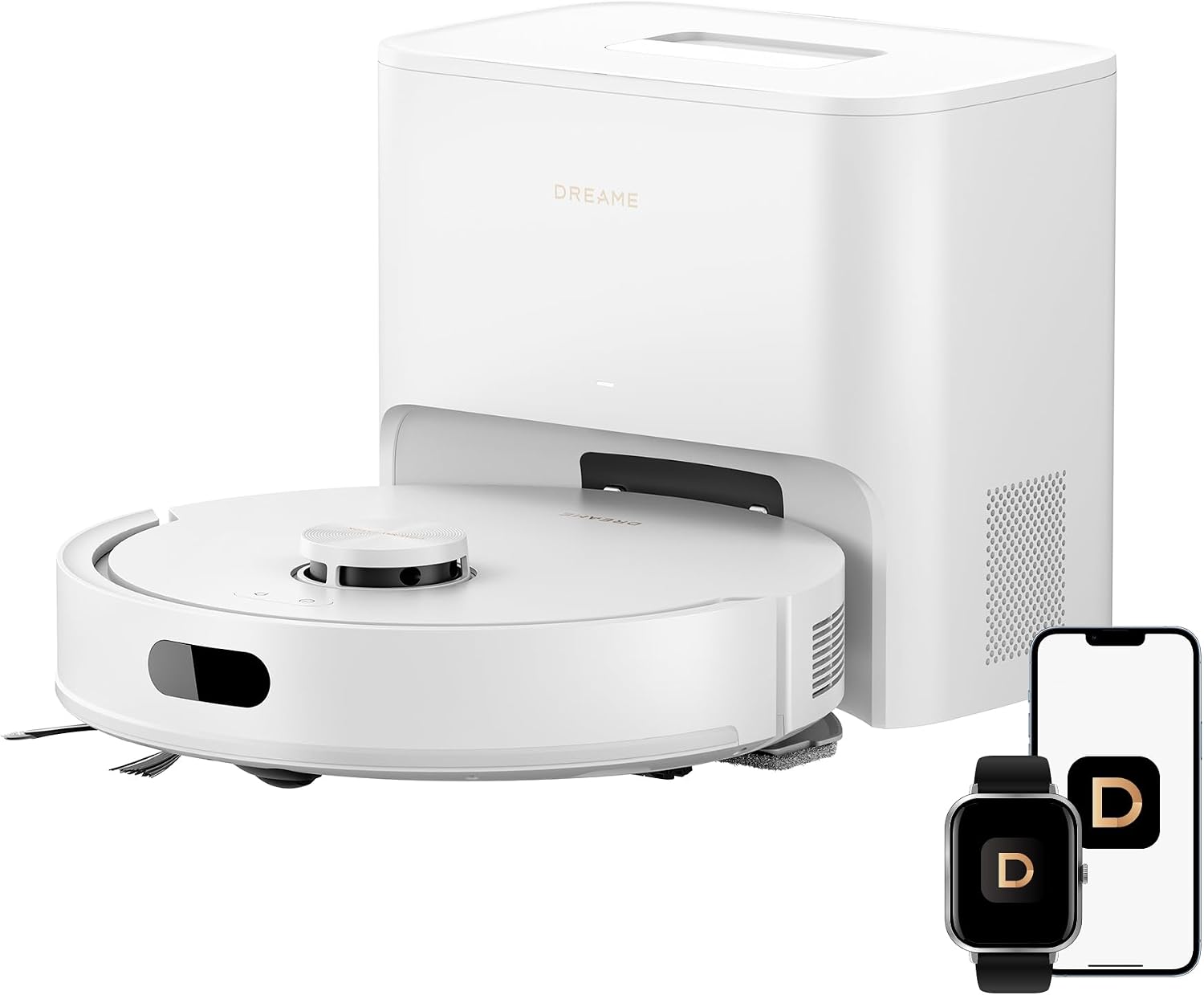
Higher suction helps on carpet, but brush design and automatic carpet boost matter too. Our carpet picks list 8,000 to 25,000 Pa, and the Qrevo 2 Pro, L40 Ultra Gen 2, D30 Ultra CE and D20 Air Plus all list a carpet suction boost.
Should I empty the dock more often in winter?
Yes. Salt, sand and grit fill dock bags faster than everyday dust, so check the bag every couple of weeks in winter even if the listing says it lasts longer.